Unveiling myths about luck and skill in gambling
Understanding Luck in Gambling
Luck is often perceived as a magical force that can sway the outcomes of gambling games, creating a mystique around the concept. Many players believe that some individuals possess an inherent luck that ensures their success at the tables or machines, especially when they engage with the best online casino platforms that offer various exciting experiences. This belief is deeply rooted in cultural narratives and personal anecdotes where some players claim to have ‘lucky charms’ or rituals before playing. However, these perceptions can cloud the reality of gambling, where probability and chance play a more significant role than personal luck alone.
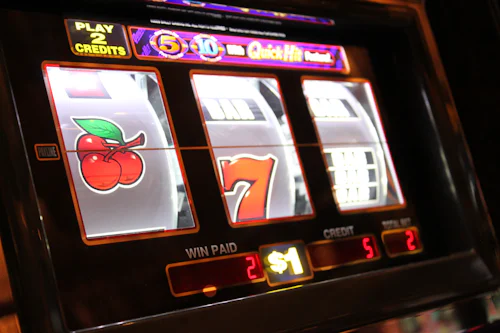
For instance, in games of pure chance like slot machines, the outcomes are determined by random number generators, meaning that luck is not influenced by personal actions or beliefs. Consequently, while one might enjoy a great winning streak, it doesn’t imply a permanent or repeatable state of luck. Understanding this can free players from the emotional highs and lows that often accompany the belief in luck, allowing them to take a more grounded approach to their gambling experience.
Furthermore, the concept of luck can lead to misconceptions about fairness and equity in gambling. When players attribute their wins or losses solely to luck, they may neglect the need for responsible gambling practices. Acknowledging luck’s role provides room for understanding that while luck can influence outcomes in the short term, it is essential to approach gambling with a strategy and an awareness of the odds involved. By recognizing that luck is not the sole determinant of success, players can better manage their expectations and engage in more thoughtful decision-making.
The Role of Skill in Gambling
While luck plays a crucial role in many gambling scenarios, skill cannot be overlooked, especially in games that require strategic thinking and decision-making. Games such as poker or blackjack are prime examples where players can improve their chances of winning through skillful play. Understanding the rules, developing strategies, and interpreting opponents’ behavior are all integral to success in these games. This highlights that the player’s decisions can meaningfully impact outcomes, differentiating these games from purely luck-based alternatives.
Moreover, skill development requires time and effort, as players must familiarize themselves with various strategies, probabilities, and psychological aspects of their opponents. A skilled player can consistently make better decisions than an untrained individual. For example, knowing when to fold in poker or when to hit in blackjack can significantly affect the player’s overall performance. This underscores the importance of investing time into learning and practicing these skills, which can lead to a more successful gambling experience over time.
However, many gamblers often underestimate the importance of skill, leading them to overlook opportunities for strategic improvement. By understanding and enhancing their skills, players can not only increase their chances of winning but also find greater enjoyment in the intellectual challenge that these games offer. This balance between luck and skill is crucial for fostering a sustainable approach to gambling that emphasizes education and responsible play. Players who invest in their skill set often find themselves enjoying the process of gambling more deeply, as they engage with it on a more strategic level.
Debunking Common Myths About Gambling
Numerous myths circulate within the gambling community that often lead players astray. One prevalent belief is that certain patterns or sequences in games like roulette can predict future outcomes. However, this is a classic example of the gambler’s fallacy, where players think that past results influence future events in games of chance. Understanding that each spin of the wheel is independent helps dispel this myth and equips players with a more realistic perspective on their choices. By educating themselves about the true nature of odds, players can develop a healthier relationship with gambling.
Another common myth involves the misconception that ‘hot’ or ‘cold’ machines exist in slot games, implying that machines can be due for a payout or are on a losing streak. In reality, each spin is random and independent of previous outcomes, supported by the mechanics of random number generation. Players can often find themselves on emotional roller coasters based on these beliefs, leading to irresponsible gambling behaviors as they chase after perceived patterns. Understanding the randomness of these machines can help players manage their expectations and avoid emotional decisions driven by fallacies.
Addressing these myths is vital for individuals looking to engage in gambling responsibly. By fostering a clear understanding of how games work, players can avoid making decisions based on superstition or faulty logic. This, in turn, helps in maintaining a healthy relationship with gambling, focusing on enjoyment rather than the lure of misguided beliefs that can result in financial strain. Education and awareness are powerful tools that empower players to make informed choices, ultimately enhancing their gambling experience.
The Impact of Emotion on Gambling Decisions
Emotions play a significant role in gambling, influencing how players perceive their luck and skill. The thrill of winning can lead to heightened confidence, sometimes resulting in reckless behaviors such as chasing losses or increasing bets. Conversely, losing streaks can invoke feelings of frustration or desperation, causing players to engage in ill-advised decisions, such as gambling beyond their means. Recognizing these emotional influences is essential for anyone wishing to maintain a balanced approach to gambling and to safeguard their financial health.

Moreover, understanding the psychology behind gambling can aid players in developing healthier habits. For instance, maintaining a level head and setting strict limits on time and money spent can help mitigate the emotional highs and lows that often accompany gambling. Players who acknowledge their emotional states are better equipped to make rational decisions and avoid the pitfalls of impulsive gambling behavior. This self-awareness can lead to more enjoyable experiences and better outcomes, as players learn to detach their emotions from their gambling activities.
Additionally, the impact of community and social interactions can further influence emotional decisions in gambling environments. Whether playing with friends or in a vibrant casino atmosphere, the social dynamics can create a unique emotional energy that affects decisions. Players need to cultivate an awareness of how these social influences interact with their personal emotions to ensure enjoyable and responsible gambling experiences. Building a supportive community around gambling can help reinforce positive habits and provide a safety net during challenging times.
Conclusion and Responsible Gambling Practices
In conclusion, the relationship between luck and skill in gambling is complex and multifaceted. While luck undeniably has its part to play, especially in games of chance, the ability to develop and utilize skill can significantly enhance a player’s experience and outcomes. By recognizing the myths surrounding gambling, players can approach it with a clearer mindset, focusing on enjoyment and responsible practices rather than becoming overly invested in superstitions or emotional responses. This balanced perspective can lead to a more enriching gambling experience.
Moreover, promoting responsible gambling practices is crucial in this dialogue. Setting limits, understanding the odds, and prioritizing enjoyment over financial gain are essential components in fostering a healthier gambling culture. By encouraging these practices, players can enjoy the thrill of gambling while minimizing potential harm, ensuring that it remains a source of entertainment rather than a financial burden. Responsible gambling should be viewed as a vital aspect of the overall experience, enhancing the enjoyment derived from the games.
Ultimately, whether you’re a novice or a seasoned player, understanding the balance between luck and skill, debunking myths, and maintaining emotional awareness can lead to a more fulfilling gambling experience. Platforms that promote this awareness and provide valuable resources can be instrumental in guiding players on their journey through the exciting world of gambling. By fostering a culture of education and responsibility, the gambling community can thrive and provide enjoyable experiences for all participants.